
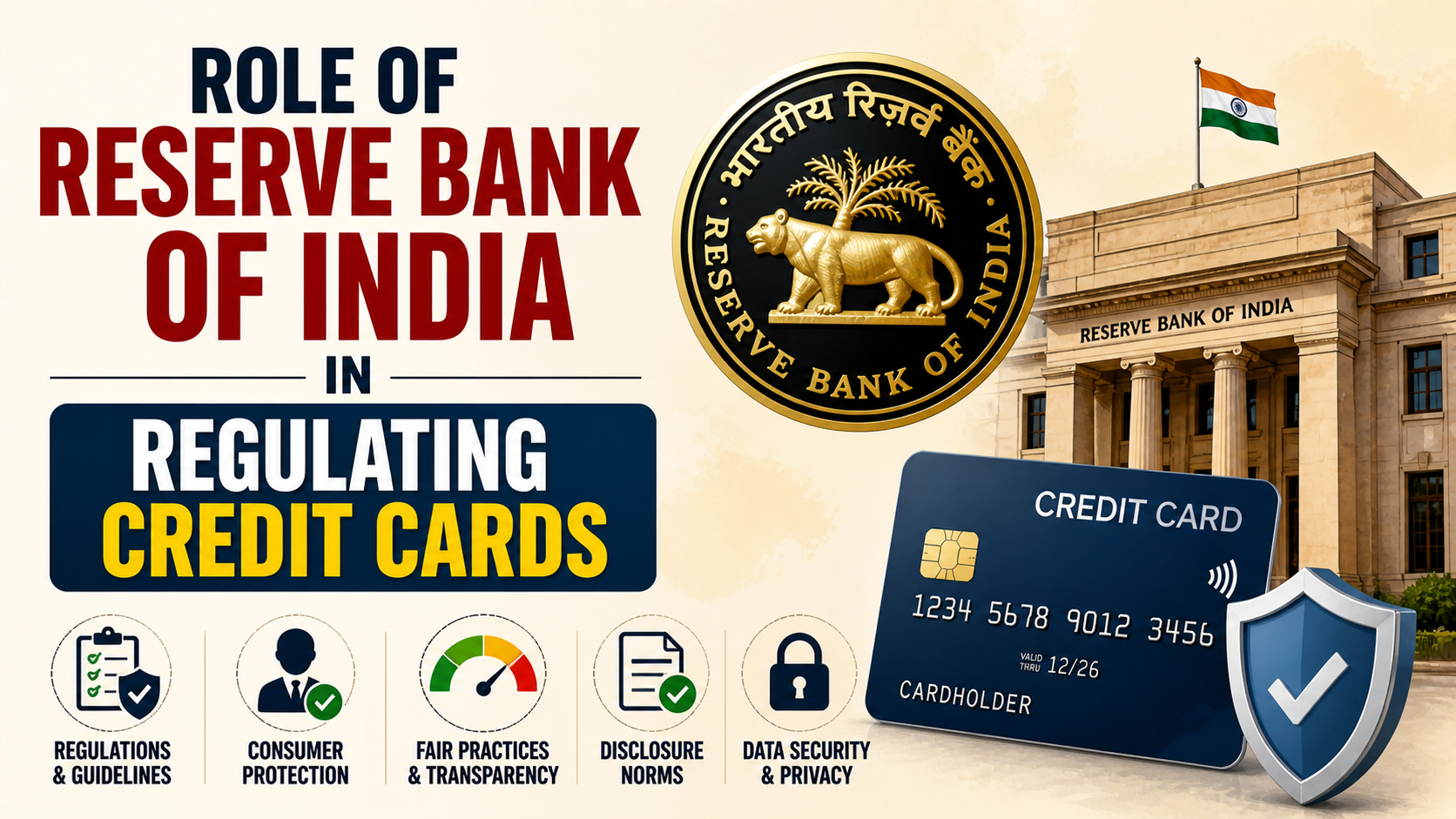
Credit cards have become a regular part of everyday life in India. From online shopping and bill payments to travel bookings and emergency expenses, they offer convenience and flexibility that cash simply cannot match. But behind this entire system, ensuring that everything runs smoothly and fairly, is the central banking authority of the country—Reserve Bank of India. The RBI plays a crucial role in regulating credit cards, protecting consumers, and maintaining stability in the financial system.
At its core, the RBI is responsible for setting the rules that banks and financial institutions must follow while issuing and managing credit cards. These regulations are designed to ensure transparency, prevent unfair practices, and protect customers from hidden charges or misuse. Without such oversight, the credit card industry could easily become risky and exploitative, especially for new or less informed users.
One of the most important areas where the RBI has made a strong impact is transparency. Banks are required to clearly disclose all terms and conditions related to credit cards, including interest rates, fees, billing cycles, and penalties. This means that when you apply for a credit card, the bank must provide a clear and detailed explanation of how the card works. Hidden charges or misleading information are not allowed under RBI guidelines. This has significantly improved consumer awareness and reduced confusion over time.
The RBI has also introduced strict rules around billing and interest calculation. Banks must clearly mention how interest is calculated, what happens if you pay only the minimum amount due, and how late payment fees are applied. This is especially important because credit card interest rates in India can be quite high. By enforcing transparency, the RBI ensures that customers are not caught off guard by unexpected charges.
Another major role of the RBI is protecting customers from harassment and unfair recovery practices. In the past, there were several complaints about aggressive debt collection methods used by some financial institutions. To address this, the RBI has issued clear guidelines stating that banks must follow ethical practices while recovering dues. Customers cannot be harassed, threatened, or contacted at odd hours. This has brought a sense of security and dignity to borrowers who may be facing financial difficulties.
The RBI also regulates how credit cards are issued. Banks are not allowed to issue credit cards without proper consent from the customer. There have been cases in the past where unsolicited credit cards were sent to customers, leading to confusion and potential misuse. Under current regulations, explicit customer approval is mandatory before issuing a card. Additionally, if a customer decides to close their credit card, banks must process the closure within a specified time frame and cannot impose unnecessary delays.
Data security and fraud prevention are other critical areas where the RBI plays an active role. With the rise of digital transactions, the risk of fraud has also increased. The RBI has introduced measures such as two-factor authentication for online transactions, tokenization of card details, and stricter guidelines for data storage. These steps ensure that customer information is protected and that transactions are secure. If any unauthorized transaction occurs, banks are required to follow a defined process for investigation and resolution, often limiting the customer’s liability if reported on time.
Another important aspect of RBI regulation is grievance redressal. If a customer faces any issue with their credit card—whether it’s incorrect billing, unauthorized charges, or poor service—they have the right to file a complaint with the bank. If the issue is not resolved satisfactorily, the customer can escalate it to the Banking Ombudsman, a system set up by the RBI to handle such complaints independently. This provides an additional layer of protection and ensures accountability from banks.
The RBI also keeps a close watch on the overall credit environment in the country. By monitoring how credit cards are being issued and used, it ensures that banks do not take excessive risks that could affect the stability of the financial system. For example, if too many high-risk customers are given credit without proper checks, it could lead to defaults and financial stress. RBI guidelines help maintain a balance between growth and safety in the credit market.
In recent years, the RBI has also focused on improving customer convenience. Features like easy card blocking, quick dispute resolution, and simplified billing formats have been encouraged. Banks are required to provide clear monthly statements and allow customers to track their spending easily. These steps make it easier for users to manage their credit cards responsibly.
It’s also worth noting that the RBI supports financial inclusion. By regulating secured credit cards (issued against fixed deposits) and encouraging responsible lending practices, it ensures that even individuals with limited credit history can access credit in a safe manner. This helps more people enter the formal financial system and build their credit profiles over time.
In conclusion, the Reserve Bank of India acts as the backbone of the credit card ecosystem in the country. It ensures that banks operate fairly, customers are protected, and the overall system remains stable and trustworthy. While credit cards offer great benefits, it is the RBI’s regulations that make their usage safer and more transparent. As a user, understanding the role of the RBI not only increases your confidence but also empowers you to use your credit card more responsibly and effectively.
🔥 Related Posts

Cashback vs Reward Points Credit Cards – Which Should You Choose in 2026?

Merchant Discount Rate (MDR) Explained: How Banks Earn from Transactions (India Guide 2026)

How to Use a Credit Card Without Paying Interest (India Guide 2026)

How to Improve Your Credit Score with Credit Card Strategies in 2024

What is CIBIL Score & How It Affects Your Credit Card Approval in 2026