
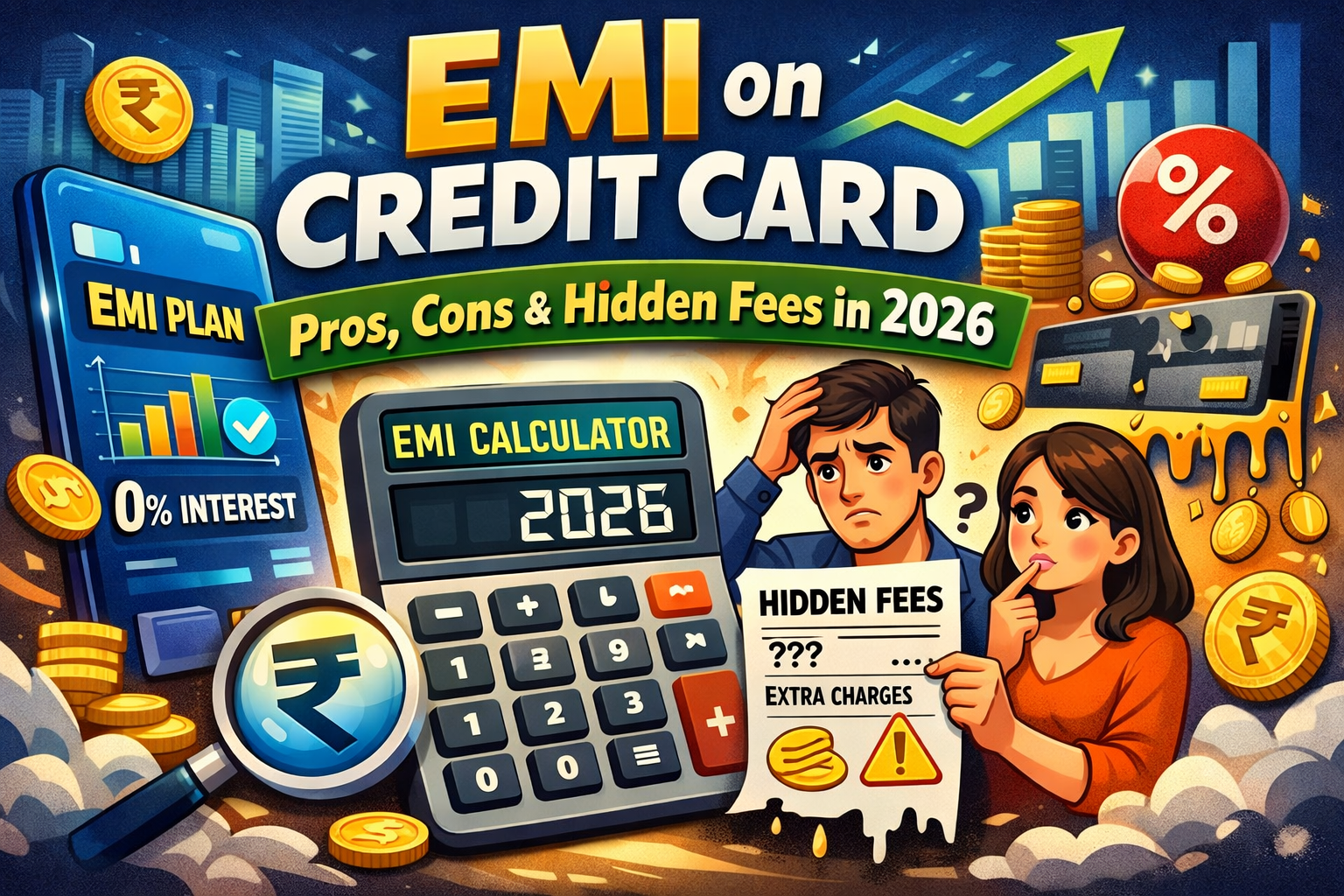
Namaste friends, we have all been there – you spot that shiny new smartphone, washing machine, or even a quick family trip package on Amazon or Flipkart, and the “No Cost EMI” button looks like a dream come true. In 2026, with prices of everything from groceries to gadgets climbing steadily, converting a big credit card swipe into easy monthly instalments feels like the perfect middle-class hack. No need to empty your savings in one go, right? But before you tap that “Convert to EMI” option on your HDFC, SBI, Axis, or ICICI app, let me tell you the real story. EMI on credit cards is convenient, but it is not always the free lunch it promises. There are pros that can genuinely help, cons that can quietly add up, and hidden fees that catch even smart folks off guard. Let’s break it all down like we would over evening chai in Kolkata or any Indian city, so you can decide wisely this year.
First, let us understand how credit card EMI actually works in simple terms. You make a purchase – say ₹40,000 on your card for a new fridge. Later, through the bank’s app, net banking, or even at the store checkout, you convert that transaction into EMIs for 3, 6, 12, or sometimes up to 48 months. The bank splits the amount into fixed monthly payments that include a bit of principal and interest. This EMI amount then appears on every statement, and you pay it along with your other dues. The best part? Your credit limit gets blocked only for the outstanding EMI portion, and once you clear it, the limit is freed up again. Banks like HDFC, ICICI, and SBI make the process instant these days – just a few taps and done. Many cards also let you convert even older unbilled spends or balance transfers into EMI. Sounds smooth, but this is where the real game of numbers begins.
Now, the good side – the genuine pros that make EMI popular among salaried professionals, young couples, and families across India. The biggest advantage is cash-flow management. Instead of coughing up ₹50,000 at once, you pay ₹4,500 or so every month, which fits neatly into your salary cycle. No dipping into emergency funds or taking a personal loan with heavy paperwork. For genuine big-ticket needs like medical bills, electronics during sales, or even school fees, it keeps your lifestyle going without stress. Many no-cost EMI offers (where the retailer or bank absorbs the interest) let you still earn reward points or cashback on the original swipe. Approval is lightning fast because you already have the card – no CIBIL checks or income proofs needed every time. In 2026, with festive seasons and year-end sales, these offers have become even more widespread, helping middle-class households upgrade without waiting years.
But here comes the reality check – the cons that many ignore until the bill shocks them. First and foremost, EMI is still a loan, not free money. Even if the bank calls it “low-interest EMI,” the annual rate usually sits between 12% and 24%, which is better than the usual 36-48% revolving credit card interest but still adds thousands extra over a year. Your available credit limit drops immediately, which can hurt if an emergency comes up. Worse, if you miss even one EMI, late fees of ₹500 to ₹1,300 kick in, plus penal interest at the full card rate, and your CIBIL score takes a hit – making future loans costlier. Overusing EMI can turn into a debt trap; people start converting everything and suddenly find themselves paying only the minimum due while interest keeps piling up. And unlike a personal loan, you cannot always prepay without extra charges in some banks.
The real villain in 2026 is the hidden fees that banks and merchants rarely highlight in big bold letters. Let’s talk straight about them. Even so-called “No Cost EMI” is rarely zero-cost. Banks charge a one-time processing fee – anywhere from 1% to 3% of the amount or a flat ₹199 to ₹500 – and then slap 18% GST on that fee and on any interest component. For a ₹50,000 EMI, this can quietly add ₹800-₹1,500 extra before you even start paying. Many “zero-interest” deals work because the merchant raises the product price slightly or removes the cash discount you would have got if paying full upfront – so you end up paying more for the item itself. GST is also charged on the interest portion that the seller “absorbs.” If you want to close the EMI early, some banks levy pre-closure fees up to 3%. And here is something scary: if you pay only the minimum amount due on your card statement (which includes the EMI), the bank can start charging full revolving interest on the entire outstanding balance, wiping out any benefit of the low EMI rate.
So, when should you actually go for credit card EMI in 2026? Use it only for planned purchases where you have calculated the total cost including all fees and you are 100% sure you can pay every EMI on time. Short tenures (3-6 months) are usually safer because interest does not pile up much. Always compare the final price with cash payment or a personal loan – in most cases, a proper personal loan from a bank or NBFC comes cheaper for amounts above ₹50,000 and longer periods. Check your card’s app for the exact breakup before converting – look for processing fee, interest rate, GST, and total payable amount. Set up autopay for the full EMI to avoid any slip-ups. And remember, even lifetime-free cards like Amazon Pay ICICI or IDFC FIRST have these EMI charges, so no card is truly exempt.
At the end of the day, friends, credit card EMI is a powerful tool when used with eyes wide open. It can help you manage expenses smartly in these expensive times, but it can also quietly drain your wallet if you fall for the marketing hype without reading the fine print. In 2026, banks have made the process easier than ever, but they have also become smarter at hiding the real cost. Before you convert that next big swipe, sit with a calculator, add up every fee, and ask yourself – is this really saving me money or just stretching the pain?
Have you ever converted a purchase to EMI and got surprised by the extra charges? Or are you planning one right now for a big buy? Drop your experience or question in the comments – whether you are in West Bengal, Delhi, or a small town – and I will help you figure out if it makes sense for your situation. Pay your bills on time, keep that CIBIL healthy, and let your credit card work for you, not the other way around.
Here’s to smarter spending and fewer nasty surprises in 2026. Take care, swipe wisely, and stay financially strong!
🔥 Related Posts
Flipkart Axis Bank vs Amazon Pay ICICI Credit Card – Which One is Better in 2026?
Cashback vs Reward Points Credit Cards – Which Should You Choose in 2026?

How to Choose the Right Credit Card for Your Financial Goals in 2024
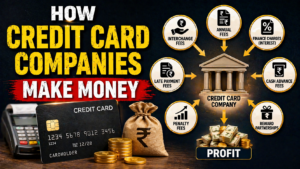
How Credit Card Companies Make Money (Full Breakdown – India 2026)

The Psychology Behind Credit Card Spending (Why People Overspend) – India Guide 2026