In India’s growing credit-driven economy, your credit score has become one of the most important financial indicators in your life. Whether you’re applying for a personal loan, home loan, car loan, or even a premium credit card, your credit score plays a decisive role. Among all the factors that influence this score, credit card usage stands out as one of the most powerful. Used wisely, a credit card can significantly improve your credit score over time. Misused, it can damage your financial reputation faster than you might expect.
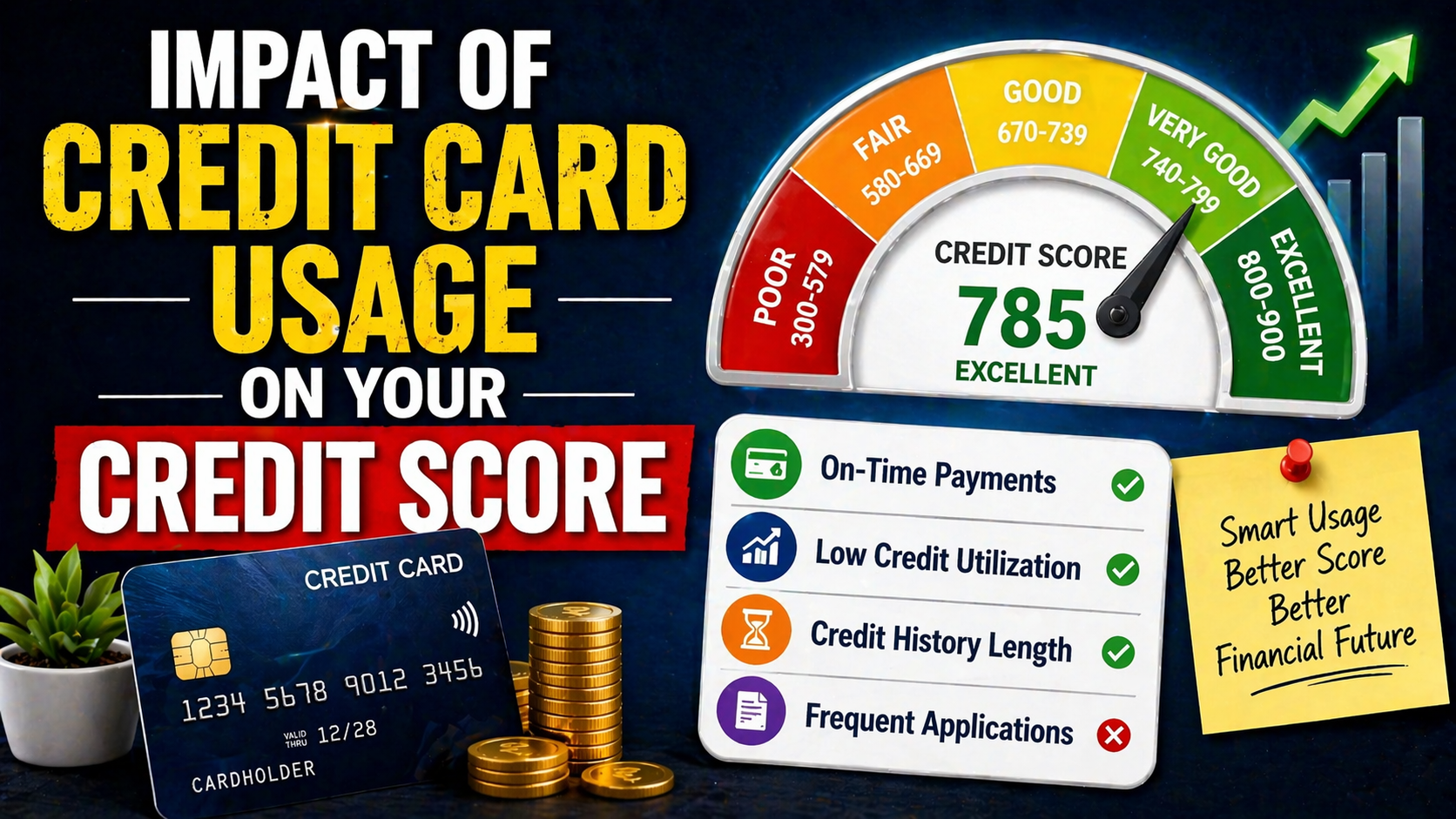
To begin with, it’s important to understand what a credit score actually is. In India, your credit score—commonly referred to as your CIBIL score—is a three-digit number ranging from 300 to 900. A score above 750 is generally considered excellent and increases your chances of getting loans approved at better interest rates. This score is calculated based on your credit behaviour, and your credit card activity forms a major part of it.
One of the biggest ways your credit card affects your score is through your payment history. This is the most critical factor, contributing a large portion to your overall score. Every time you pay your credit card bill on time, it sends a positive signal to credit bureaus that you are a responsible borrower. Over time, consistent on-time payments build a strong repayment history, which boosts your score. On the other hand, even a single missed or late payment can have a negative impact. It not only results in penalties but also stays on your credit report for years, making lenders cautious about approving your future applications.
Another key factor is your credit utilization ratio. This refers to how much of your available credit limit you are using. For example, if your credit limit is ₹1,00,000 and you spend ₹50,000, your utilization is 50%. Financial experts generally recommend keeping this ratio below 30%. A lower utilization ratio shows that you are not overly dependent on credit, which is seen as a positive sign. High utilization, even if you pay on time, can indicate financial stress and may lower your credit score.
The length of your credit history is another area where credit cards play an important role. The longer you hold a credit card and maintain it responsibly, the better it is for your score. Older accounts provide a longer track record of your financial behaviour, which helps lenders assess your reliability. This is why it’s often advised not to close your oldest credit card, even if you don’t use it frequently. Keeping it active with occasional small transactions can be beneficial.
Credit mix is also a contributing factor. Lenders prefer to see a balanced mix of secured and unsecured credit. Credit cards fall under unsecured credit, meaning they are not backed by collateral. If your credit profile includes both types—such as a home loan (secured) and a credit card (unsecured)—it reflects positively on your ability to manage different forms of credit.
Another aspect to consider is the number of credit inquiries made in your name. Every time you apply for a new credit card, the bank checks your credit report, which is recorded as a hard inquiry. Multiple applications in a short period can make you appear credit-hungry and may reduce your score slightly. This is why it’s better to apply selectively rather than submitting multiple applications at once.
Credit cards also help in building a credit score from scratch. For individuals who have never taken a loan before, a credit card is often the easiest way to start creating a credit history. By using the card for small expenses and paying the full amount on time, you can gradually build a strong score. This is especially useful for young professionals and first-time earners.
However, misuse of credit cards can quickly damage your score. Carrying high balances, paying only the minimum due, frequently missing payments, or exceeding your credit limit are all negative behaviors. These actions signal financial instability and increase your risk profile in the eyes of lenders. Over time, this can make it difficult to get approved for loans or may result in higher interest rates.
There are also some lesser-known impacts. For instance, settling a credit card debt instead of fully repaying it can harm your score. While settlement may reduce your immediate financial burden, it is recorded negatively in your credit report. Similarly, closing multiple credit cards at once can reduce your total available credit limit, increasing your utilization ratio and potentially lowering your score.
The good news is that improving your credit score through credit card usage is entirely within your control. Simple habits like paying your bills in full before the due date, keeping your utilization low, avoiding unnecessary applications, and monitoring your statements regularly can make a significant difference. Setting up automatic payments or reminders can help ensure you never miss a due date.
In conclusion, credit cards are a double-edged sword when it comes to your credit score. They can either strengthen your financial profile or weaken it, depending on how you use them. The impact is not instant but builds over time through consistent behaviour. If you treat your credit card as a disciplined financial tool rather than easy money, it can help you achieve a high credit score, better loan approvals, and stronger financial stability in the long run.
🔥 Related Posts
5 Credit Cards with the Best Cash Back Offers for 2024
Credit Card Safety Tips for 2024: Protecting Your Digital Wallet

How Credit Card Companies Make Money (Full Breakdown – India 2026)
EMI on Credit Card: Pros, Cons & Hidden Fees in 2026 – A Straight Talk for Every Indian Wallet
0% Interest Credit Cards in India 2026: How They Really Work & Which Ones Are Worth Your Time