Credit cards are often misunderstood in India. Many people assume that the moment you swipe your card, interest starts piling up. In reality, that’s not how it works at all. If used correctly, a credit card can actually give you an interest-free loan for up to 45–50 days. The key lies in understanding how billing cycles, due dates, and payments work together. Once you get this right, you can enjoy all the benefits of a credit card—cashback, rewards, convenience—without paying a single rupee in interest.
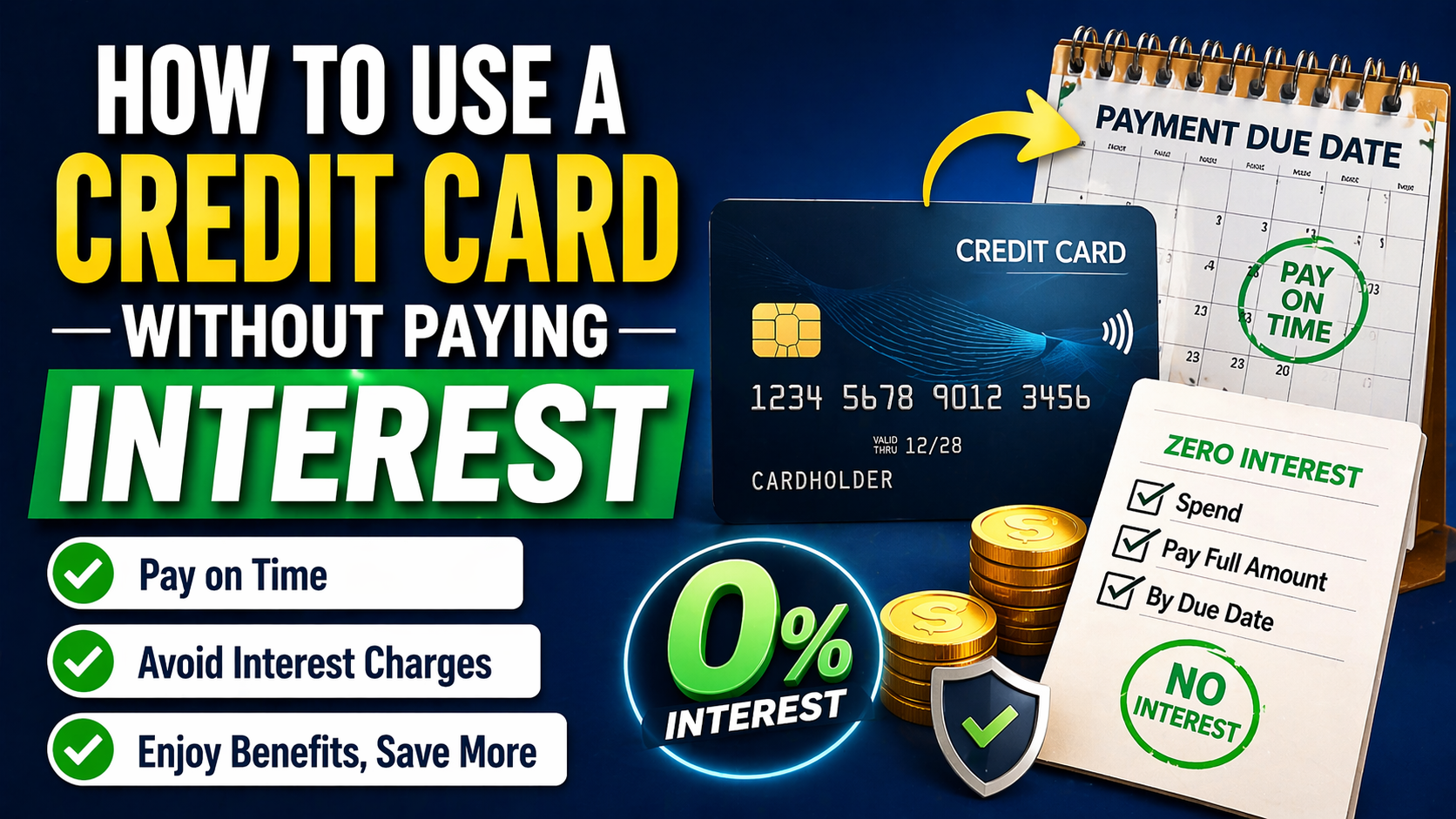
To begin with, you need to understand the concept of the billing cycle. Every credit card has a fixed billing cycle, usually lasting around 30 days. During this period, all your transactions are recorded. At the end of the cycle, the bank generates your credit card statement, which shows the total amount you owe. This is not the date you have to pay immediately. Instead, you are given a grace period, typically between 15 to 20 days, before the payment due date arrives. This combination of billing cycle and grace period is what creates your interest-free window.
For example, imagine your billing cycle ends on the 1st of every month, and your due date is the 20th. If you make a purchase on the 2nd of the month, that transaction will appear in the next statement, giving you almost 45–50 days to repay without interest. On the other hand, if you make a purchase just a day before the billing cycle ends, you may only get around 20 days. This is why timing your purchases wisely can make a noticeable difference in how long you can hold your money without paying interest.
The most important rule to follow is simple but non-negotiable: always pay your total outstanding amount in full before the due date. This is what keeps your transactions interest-free. Many beginners make the mistake of paying only the “minimum amount due,” thinking it’s enough. While this prevents late fees and keeps your account active, it does not stop interest from being charged. Once you carry forward even a small balance, the bank starts applying interest on the remaining amount, and in most cases, also on new purchases from that point onward. This is where things can quickly become expensive, as credit card interest rates in India can go as high as 30% to 45% annually.
Another important habit is to avoid cash withdrawals using your credit card. Unlike purchases, cash withdrawals do not come with an interest-free period. Interest starts immediately from the day you withdraw cash, along with additional charges. This makes it one of the costliest ways to use a credit card and should generally be avoided unless it’s an absolute emergency.
You should also keep a close eye on your spending and credit limit. Even if you plan to pay your bill in full, overspending can lead to financial pressure at the time of repayment. A good practice is to use only 30% to 40% of your credit limit. This not only keeps your finances under control but also helps maintain a healthy credit score. Setting up SMS or app alerts for every transaction can help you stay aware of how much you’re spending in real time.
One smart strategy that experienced users follow is aligning big purchases right after the billing cycle resets. This way, you get the maximum possible interest-free period. For instance, if your cycle ends on the 1st, making a large purchase on the 2nd gives you the longest window to repay. This technique is especially useful for planned expenses like gadgets, travel bookings, or annual payments.
Automation can also make your life easier. Setting up auto-debit for the full amount ensures that you never miss a payment deadline. Even a single missed payment can lead to late fees, interest charges, and a negative impact on your credit score. If you prefer manual payments, make it a habit to pay at least a few days before the due date to avoid last-minute issues.
It’s also worth checking your monthly statements carefully. Sometimes, there may be hidden charges, subscription renewals, or incorrect transactions that you didn’t notice earlier. Identifying and resolving these early helps you avoid paying unnecessary amounts and keeps your finances clean.
Using a credit card without paying interest is not about avoiding spending—it’s about managing timing and discipline. When used correctly, a credit card becomes a powerful financial tool. You get short-term liquidity, rewards on your spending, and a chance to build a strong credit history, all at zero cost.
In the end, the formula is quite simple: understand your billing cycle, spend within your limits, and always pay your full bill on time. If you stick to these basics, you can enjoy all the advantages of a credit card without ever worrying about interest charges.
🔥 Related Posts
Best Low Interest Credit Cards in India (2026 Guide)

Buy Now Pay Later vs Credit Cards – Which is Better? (India Guide 2026)
Cashback vs Reward Points Credit Cards – Which Should You Choose in 2026?
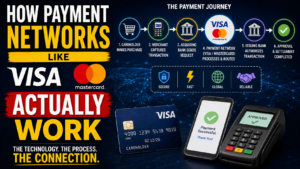
How Payment Networks Like Visa and Mastercard Actually Work in India 2026
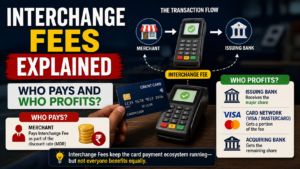
Interchange Fees Explained: Who Pays and Who Profits? (India Guide 2026)