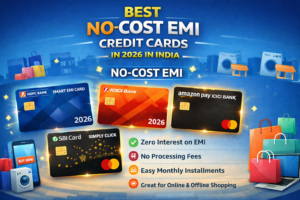
Applying for a credit card in India has become faster In 2026, more digital, and largely paperless thanks to widespread video KYC (vKYC), Aadhaar-based e-KYC, and instant eligibility checks offered by major banks like HDFC, SBI, Axis, ICICI, and others. With attractive rewards, cashback, No-Cost EMI options, lounge access, and up to 50 days of interest-free credit, a well-chosen credit card can significantly enhance your financial flexibility. However, success depends on meeting eligibility criteria, maintaining a strong credit score, and following the correct process. Whether you are a salaried professional, self-employed individual, or a first-time applicant, this detailed guide covers everything you need to know to apply confidently and increase your approval chances.
Eligibility Criteria for Credit Cards in 2026 Most banks require applicants to be Indian residents aged between 18 and 60-70 years (varies by card and bank; salaried applicants usually up to 60, self-employed up to 65). A stable source of income is essential—salaried individuals typically need a minimum annual income of ₹3-4 lakh (lower for entry-level or co-branded cards like Swiggy HDFC or Amazon Pay ICICI), while self-employed professionals may face slightly different thresholds based on ITR filings. A good CIBIL score plays a crucial role: scores above 750 improve approval odds and credit limits dramatically, though some entry-level cards may approve scores as low as 650-700 with stricter terms. Existing bank customers (especially salary account holders) often enjoy relaxed criteria and pre-approved offers. NRIs have limited options, and students or individuals with no income can explore secured cards against fixed deposits.
Documents Required for Credit Card Application The documentation process is now mostly digital, but keeping these ready speeds things up:
- Identity Proof: PAN Card (mandatory), Aadhaar Card.
- Address Proof: Aadhaar, Passport, Driving License, Voter ID, or recent utility bill/rent agreement.
- Income Proof (for salaried): Latest salary slips (3 months), Form 16, or bank statements showing salary credits.
- Income Proof (for self-employed): ITR returns (last 2-3 years), business registration proofs, or bank statements.
- Other: Passport-size photographs (sometimes digital), and any existing relationship proof if you are a bank customer.
PAN is non-negotiable for all applications. In 2026, Aadhaar e-KYC and video verification handle most identity checks seamlessly, reducing the need for physical document submission in many cases.
Step-by-Step Process to Apply for a Credit Card Online (Recommended in 2026) The online route via bank websites, mobile apps, or aggregator platforms like PaisaBazaar, BankBazaar, or Wishfin is the quickest and most convenient method.
- Research and Choose the Right Card: Compare cards based on your spending habits—cashback for online shoppers (e.g., HDFC Millennia, SBI Cashback), rewards for travel (HDFC Infinia, SBI ELITE), or co-branded options (Flipkart Axis, Amazon Pay ICICI). Check eligibility on the bank’s site or aggregator by entering basic details like income and age. Look for current promotions such as first-year fee waivers or welcome vouchers.
- Check Eligibility and Start Application: Visit the official website or app of your chosen bank (HDFC, Axis, SBI, ICICI, etc.). Enter your mobile number linked to Aadhaar for an instant eligibility check. Existing customers may see pre-filled forms and pre-approved offers. On aggregators, select your preferred card after seeing personalized recommendations.
- Fill the Application Form: Provide personal details (name as per Aadhaar/PAN, date of birth, email, residential address, marital status), employment information (company name, designation, monthly/annual income), and financial details. Consent to credit bureau checks (CIBIL/Experian) is mandatory here. Be accurate—mismatches can lead to rejection.
- Complete KYC Verification: This is where 2026 shines with digital options. Use Aadhaar-based e-KYC or Video KYC (vKYC/V-CIP)—a short live video call with a bank representative where you show your PAN, Aadhaar, and face for verification. Ensure a stable internet connection and a camera-enabled device. Some cases may still require physical KYC via a bank executive visit if you have no prior relationship.
- Review, Submit, and Track: Carefully check fees (joining/annual, often waivable on spends), terms, and any exclusions (e.g., rewards on rent or wallets). Submit the application and note the reference number. You will receive updates via SMS/email.
- Approval and Card Issuance: Strong profiles can get instant or same-day approval with a virtual/digital card for immediate online use. The physical card is usually dispatched within 7-10 working days. Activate it via the bank app, net banking, or customer care. Make your first transaction (often within 30-45 days) to unlock welcome benefits.
Offline Application Route If you prefer traditional methods, visit the nearest bank branch with your documents and request the application form. A relationship manager will assist, but this process is slower and involves more paperwork compared to the digital route.
Tips to Improve Approval Chances in 2026
- Maintain a CIBIL score above 750 by paying all bills and EMIs on time, keeping credit utilization below 30%, and avoiding multiple applications in a short period (hard inquiries hurt the score).
- Apply through your existing bank (salary account) for better odds and higher limits.
- Time your application during promotional periods for fee waivers or bonus rewards.
- Start with an entry-level or lifetime-free card if you are a beginner, then upgrade later.
- For low or no income, consider secured credit cards against FD.
- Monitor your credit report regularly and fix any errors before applying.
- Avoid applying for too many cards simultaneously—space them out by 3-6 months.
Post-Approval Best Practices Once approved, download the bank’s mobile app for real-time tracking, spending controls (block international/online use), and bill payments. Pay the full outstanding amount by the due date to avoid high finance charges (around 3.5-3.75% per month) and late fees. Use the card responsibly to build a stronger credit history, which helps with future loans or premium card upgrades.
Common Pitfalls to Avoid Do not apply if your CIBIL is very low without improving it first. Read the fine print on rewards exclusions, forex markups, and annual fee waiver conditions. Be cautious of aggregator sites—always cross-verify offers on official bank portals to avoid scams.
Applying for a credit card in India in 2026 is simpler than ever, with most processes completable from your smartphone in under 30 minutes for eligible applicants. By choosing a card that matches your lifestyle, preparing documents in advance, and maintaining good credit habits, you can enjoy seamless approval and start earning rewards quickly. Always apply through official channels for security. Review your monthly spends against the card’s benefits, and remember—responsible usage turns a credit card into a powerful financial tool rather than a debt trap. Start your application today on your preferred bank’s website or app.
🔥 Related Posts
Unlocking Smart Savings in 2026: A Comprehensive Guide to Top SBI Credit Cards, Cashback Rewards, and Premium Facilities
How to Improve Your Credit Score with Credit Card Strategies in 2024

Credit Card Safety Tips for 2024: Protecting Your Digital Wallet

The Pros and Cons of Secured vs. Unsecured Credit Cards in 2024: A Comprehensive Guide
Best Cashback Credit Cards for Online Shopping in India (2026) – Complete Beginner Guide