
Namaste friends, we all know that feeling when the credit card bill arrives and the interest charges make your eyes water. In India, where regular revolving credit can cost you anywhere between 36% to 48% per year (that’s 3% to 4% every single month), a good 0% interest offer feels like a lifesaver. Whether it is clearing old dues from another card or converting a big purchase into easy EMIs without extra cost, these options can save you thousands of rupees in 2026. But let me tell you straight – nothing comes completely free. There are processing fees, short validity periods, and strict rules. If you understand how they work and pick the right card for your situation, you can manage debt smartly without falling into a bigger trap. Let’s break it down in simple terms, the way we discuss over chai in Kolkata or any Indian city.
First, what exactly is a 0% interest credit card facility? Every credit card in India gives you a standard interest-free period of up to 50-55 days on new purchases if you pay the full bill on time. But when people talk about “0% interest cards,” they usually mean two main things: promotional balance transfer offers where you move outstanding dues from other cards at 0% for a limited time, or 0% EMI conversion on big purchases right after you swipe. In balance transfer, the new bank pays off your old card balance, and you repay the new card at zero or very low interest for say 60 days, 90 days, or sometimes longer on EMI. After the promo period ends, normal high interest kicks in, so you must clear it before that deadline. Many banks also let you convert any purchase above ₹2,500 or so into EMI at 0% for short tenures like 3 months, but longer tenures usually carry some interest or processing fee.
How does the process actually work on the ground? Suppose you have ₹50,000 pending on your old HDFC or Axis card at 3.5% monthly interest. You apply for a balance transfer on an SBI or Kotak card that is offering 0% for 60-90 days. The new bank transfers the amount (usually up to 75-90% of your new credit limit), charges a one-time processing fee (often 1-2% or a flat ₹349 per ₹10,000), and gives you a repayment window. You can pay in full within 60 days at zero interest, or stretch it into EMIs with nominal monthly rates like 0.75%-1.7% depending on your CIBIL score. The higher your score (750+ is ideal), the better the rates and approval chances. Always remember: during the 0% period, you still need to pay the minimum due every month, or the offer can be cancelled and back interest charged.
Now, let’s talk about the best practical options available in April 2026 for middle-class families, salaried people, and young professionals across India.
SBI Cards remain one of the most popular choices for balance transfer. Their classic offer gives you 0% interest for the first 60 days with a processing fee of around 2% (minimum ₹2,000). If you want more time, you can opt for 180 days at a reduced rate of about 1.7% per month with zero processing fee in some plans. This works well if you have multiple high-interest dues and want quick consolidation. SBI also allows easy SMS or app-based transfers.
Kotak Mahindra Bank stands out for a clean 0% interest for 90 days. They charge a simple fixed fee of ₹349 for every ₹10,000 transferred, and you can repay in 3, 6, or 12-month EMIs if needed. The maximum transfer is usually 75% of your credit limit, and your card should be at least 6 months old in some cases. Many people in Tier-2 cities like those in West Bengal find this straightforward and transparent.
HDFC Bank and Axis Bank also run periodic 0% or low-interest balance transfer and Flexipay/EMI offers. HDFC Regalia sometimes gives 90 days at 0%, while Axis Buzz offers 3 months with shopping and fuel benefits on top. ICICI Bank allows transfers starting from ₹15,000, though their exact fees and rates are shared only at the time of application.
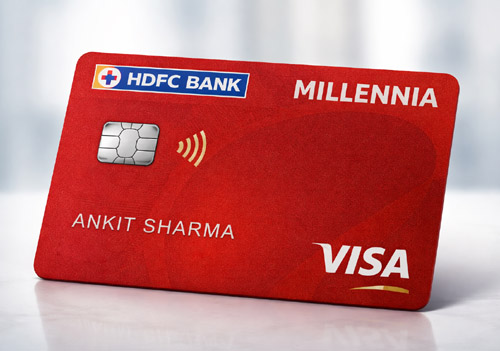
For everyday users who don’t want to transfer old debt but want zero-cost EMIs on new big buys (like a mobile, fridge, or laptop), cards like HDFC Millennia, Standard Chartered Smart Credit Card, and IDFC FIRST cards shine. Standard Chartered often lets you convert unbilled spends into 3-month EMI at just 0.99% per month with no processing fee in many cases. HDFC cards give flexible EMI options after purchase, and some lifetime free cards from IDFC or Axis let you enjoy up to 48-50 days interest-free naturally, plus easy conversion.
One important thing friends – 0% interest is different from zero forex markup cards like Scapia, Ixigo AU, or IDFC WOW!, which save you money on international spends but still charge normal interest if you revolve the balance. Don’t mix them up.
Before you jump in, here are a few smart tips from real experience:
- Check your CIBIL score first. Anything below 700 makes approval tough for good offers.
- Calculate the total cost: processing fee + any EMI interest versus what you are currently paying.
- Set calendar reminders to clear the balance before the promo period ends. Many people get trapped when the rate jumps back to 3.5-4% monthly.
- These facilities are best for short-term needs, not for living beyond your means. Pay on time to keep your score healthy.
- Always compare the latest offers directly on bank apps or trusted sites like Paisabazaar, because promos change every few months.
In 2026, with rising costs of living, a well-used 0% interest facility can genuinely help you breathe easier – whether clearing festival shopping dues, medical bills, or consolidating expensive debts. But treat it like a tool, not free money. If your spending is under control and you pay full bills anyway, you may not even need special 0% offers – the natural 50-day interest-free period on any good card is enough.
So, which situation are you in right now? Heavy old dues, planning a big purchase, or just curious about smarter credit habits? Share in the comments – whether you are in Kolkata, Delhi, or a small town – and I can help you figure out the best move for your wallet. Use credit wisely, pay bills before due date, and let these offers work for you, not the other way around.
Here’s to lower stress and smarter money management in 2026. Take care and swipe responsibly!
🔥 Related Posts

The Pros and Cons of Secured vs. Unsecured Credit Cards in 2024: A Comprehensive Guide
Top No Annual Fee Credit Cards in India for 2026: Your Guide to Smart and Cost-Free Spending
Travel More in 2024: Top Credit Cards with Amazing Travel Rewards
Best No-Cost EMI Credit Cards in 2026: Smart Ways to Buy Big Without Interest Burden in India

How to Improve Your Credit Score with Credit Card Strategies in 2024